
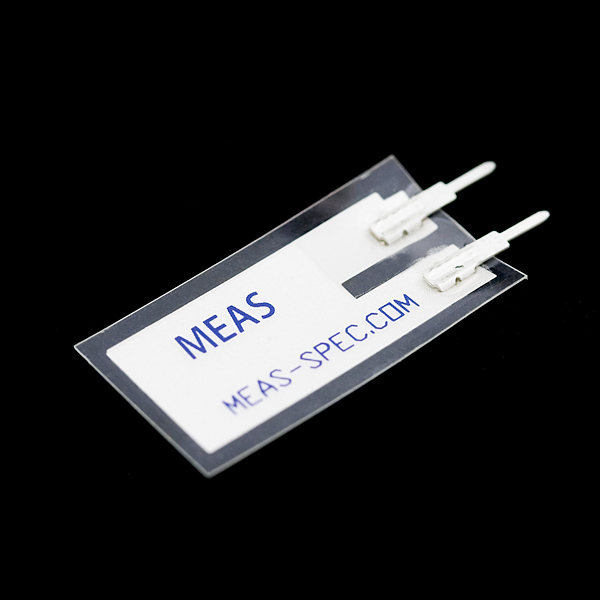
Piezo Vibration Sensor – Large

Ask Our AI Assistant

Product Image
Working Principle

Description

The Piezo Vibration Sensor operates based on the piezoelectric effect. When the piezoelectric material (PVDF polymer film) is subjected to mechanical stress or vibrations, it generates an electrical charge. This charge can be measured as a voltage which varies with the intensity of the vibration.

Sensor Types

Flex sensors

Vibration sensors

Shock sensors

Impact sensors

Dos And Donts

Donts

  • Avoid Extreme Temperatures: Do not expose the sensor to temperatures outside the range of 0 to 85°C for operating and -40 to 85°C for storage.,
  • Prevent Physical Damage: Avoid bending or exerting excessive force on the sensor to prevent damage to the PVDF film.

Dos

  • Use Resistor: Connect a simple resistor to bring the voltage down to ADC levels suitable for microcontroller inputs.,
  • Check Compatibility: Ensure the sensor's operating and storage temperatures are compatible with your application environment.,
  • Utilize Dynamic Range: Make use of the sensor's wide dynamic range for various measurement needs.
Limits

Frequency Response

90 Hz (+3 dB)

Temperature Range

  • Operating: 0 to 85°C,
  • Storage: -40 to 85°C

Voltage Output

Up to +/-90V

How To Connect

Connection Guide

  • Url: https://learn.sparkfun.com/tutorials/piezo-vibration-sensor-hookup-guide,
  • Steps: Follow the detailed steps in the provided guide to correctly solder and connect the sensor to your circuit.
Dimensions

Height

1 mm

Length

30 mm

Shipping Dimensions

3 × 2 × 2 cm

Shipping Weight

0.01 kg

Weight

Approximately 1 g

Width

13 mm